ACCESS to the Best dance resources!
The Power of Props
When teaching young dancers—especially preschool and elementary-aged children—engagement is everything. Their attention spans are short, their curiosity is endless, and their imaginations are bursting with creativity. As dance teachers, one of the most effective ways we can harness that energy is by incorporating props into our classes.
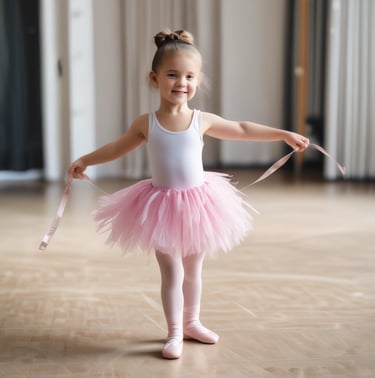
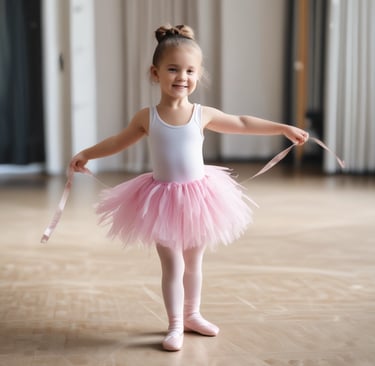
When teaching young dancers—especially preschool and elementary-aged children—engagement is everything. Their attention spans are short, their curiosity is endless, and their imaginations are bursting with creativity. As dance teachers, one of the most effective ways we can harness that energy is by incorporating props into our classes.
Why Props Matter
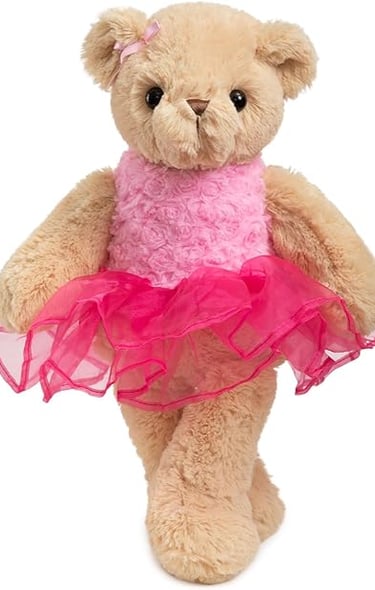
Props aren’t just fun accessories—they’re powerful teaching tools. Whether it’s a colorful scarf, a magic wand, a stuffed animal, or a simple ribbon, props instantly capture a child’s attention and invite them to participate. They help children visualize concepts, connect movement to stories, and express themselves in new ways.
For young dancers, movement and imagination are deeply intertwined. When you hand a child a scarf and tell them it’s a butterfly’s wing, they don’t just move their arm—they become the butterfly. Suddenly, they’re fluttering through the air, exploring levels, shapes, and dynamics without even realizing they’re developing coordination, balance, and control.
Engaging the Whole Child
Using props engages multiple senses—sight, touch, and even sound—which helps children stay focused and fully immersed in the activity. A prop can transform a familiar space into something magical. One moment, the dance studio is just a room; the next, it’s an enchanted forest, an ocean, or a rocket ship heading to the moon.
This imaginative play is crucial for early childhood development. It encourages:
Creativity and storytelling – Props spark ideas and inspire movement exploration.
Social interaction – Children share, take turns, and collaborate in group activities involving props.
Confidence and expression – A prop can act as a “safety net,” giving shy dancers something tangible to hold as they gain confidence performing.
Making Movement Meaningful
Props also provide a clear physical cue for movement. For example:
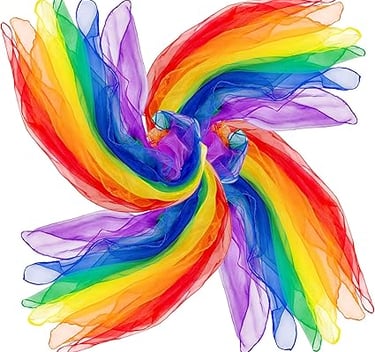
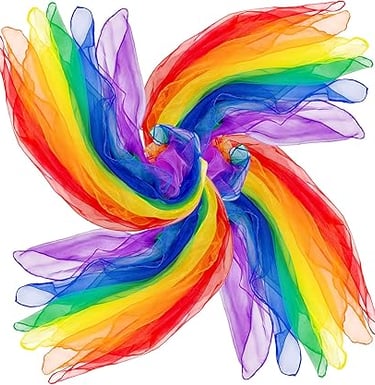
Scarves encourage flowing, sustained movement.
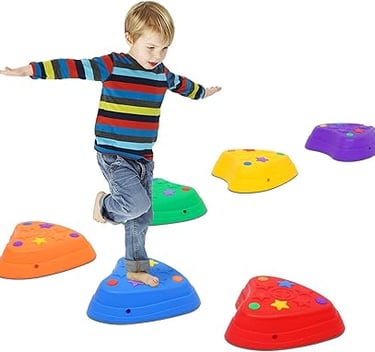
Beanbags promote coordination and balance.
Hula hoops help with spatial awareness and pathways.
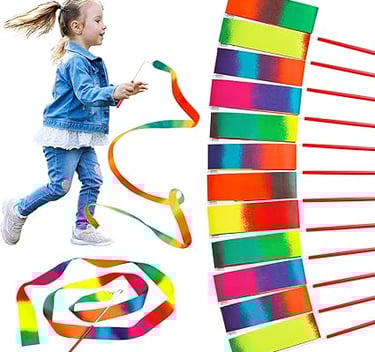
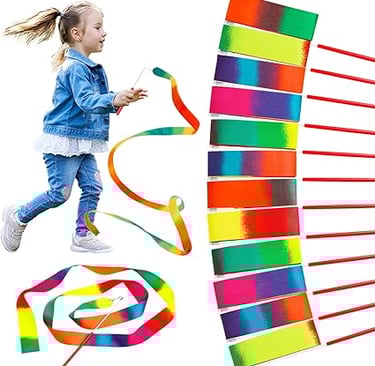
Ribbons or wands inspire large, expressive gestures.
By associating movement with an object, children better understand dance concepts like tempo, direction, and energy. The prop becomes a bridge between imagination and technical skill.
Simple Ways to Incorporate Props
You don’t need to overhaul your class—just sprinkle props into your warm-ups, creative movement sections, or themed routines. Try:
Starting class with a “magic object” that sets the theme for the day.
Letting students “choose their own adventure” by selecting a prop and creating a short dance with it.
Using seasonal props (leaves, snowflakes, flowers) to connect movement to the world around them.
Inspiring Lifelong Love for Dance
Most importantly, props make dance fun. They turn practice into play and learning into discovery. When children are engaged and excited, they not only learn more effectively—they develop a genuine love for dance that lasts well beyond childhood.
So next time you pack your teaching bag, don’t forget your scarves, ribbons, or sparkly wands. With a little creativity (and a few well-chosen props), your young dancers will be leaping into a world of imagination—one magical movement at a time.
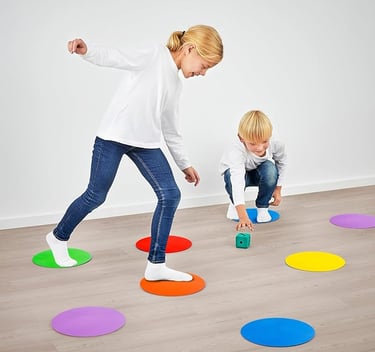
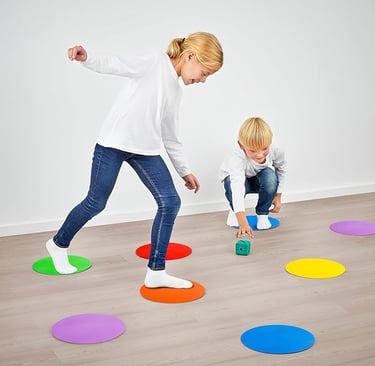
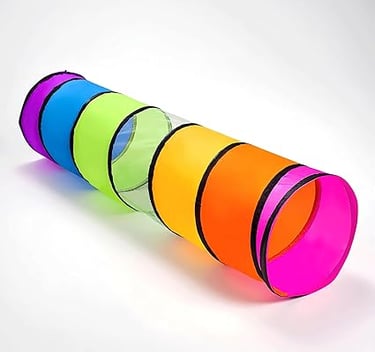
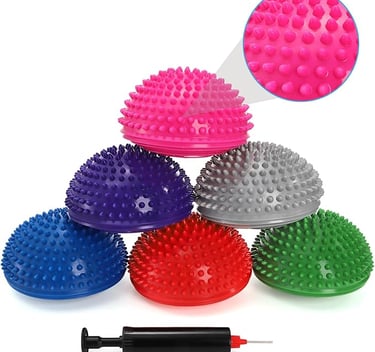
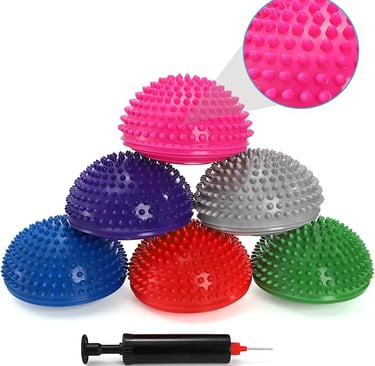
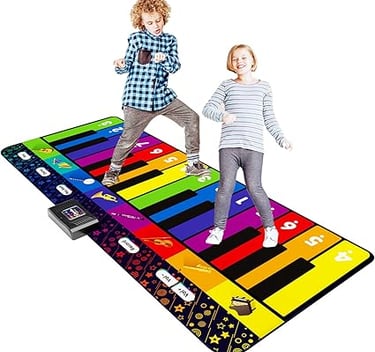
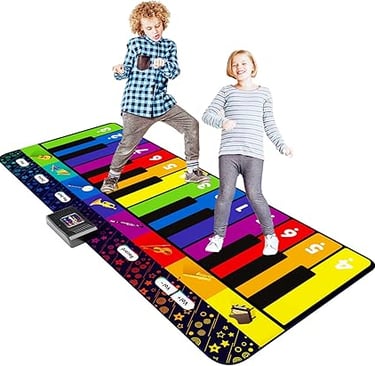
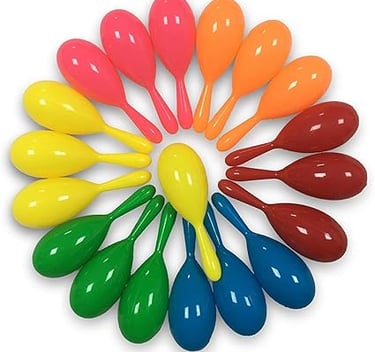
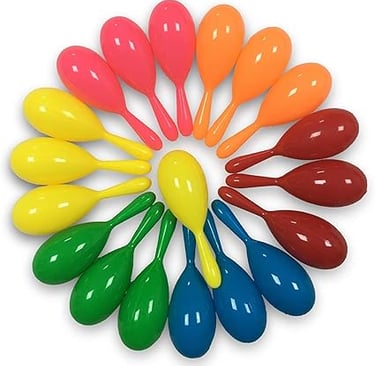
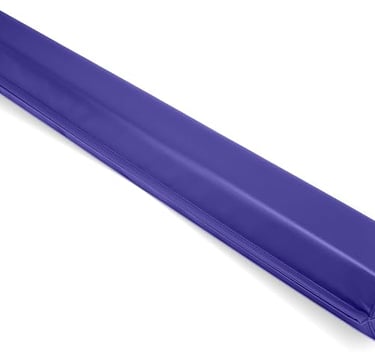
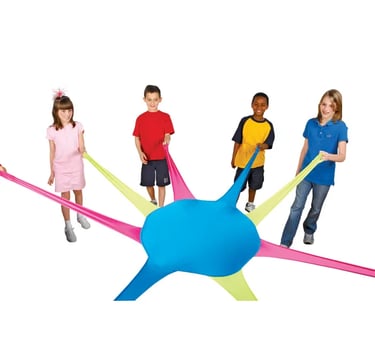
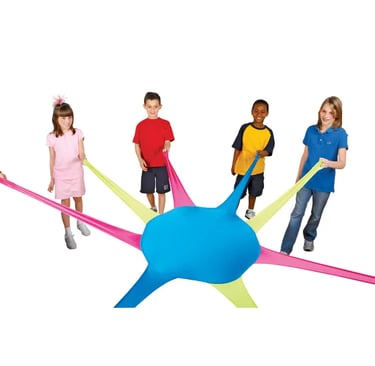
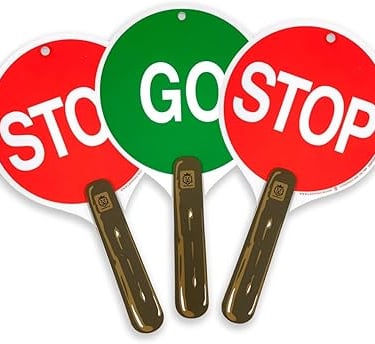
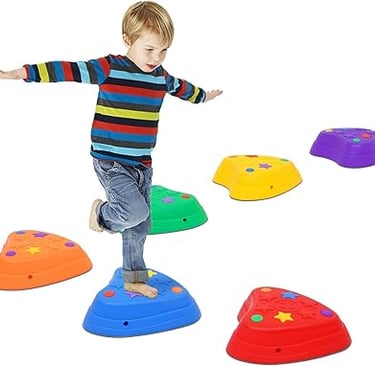
Our Favorite Props
These are the props we know and love in our own studio.
Time tested, kid approved!

Contact & Questions
info@dancestogo.com
© 2025. All rights reserved.
Have a dance studio question? I'd love to help share my expertise.